♦QQPK Poker HubDeal Register Weekly Perks
Poker game hub · Texas Hold'em · tournaments · friend rooms

qq poker官网 — The Highly Rated Poker Game Hub

Tournaments · Cash tables · Friend rooms · Hand replays

This page is a plain index of what the hub holds: the three table formats and what each one is for, the six steps a single hand moves through, and the specifications of each competition format. No rankings, no claims — just the layout, so you can find the room you actually want.
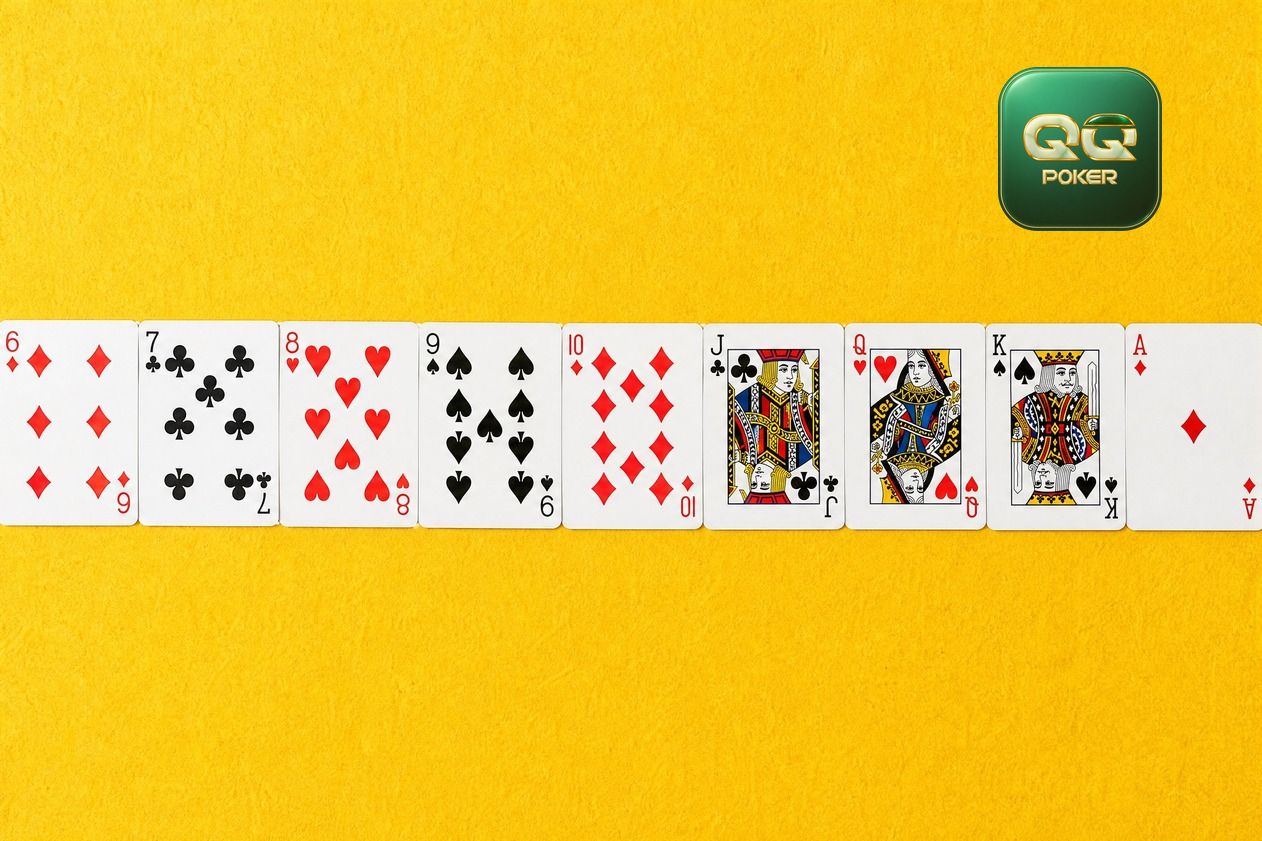
qq poker官网 online poker tables and chips Three formats, one rule set — what changes is the pace and the cost of leaving
Floor Plan

What the hub actually holds

♛
Cash tables

Blinds stay where they are and you can stand up whenever you like. Because so little moves, this is the format where you can run the same spot over and over and still read your own results clearly.

♠
Tournaments

One buy-in, blinds that step up on a clock, and a finish line built in. The skill it tests is not any single hand — it is whether you change your standards when the stack-to-blind ratio drops.

♦
Friend rooms

You set the clock and the blinds yourself and play with people you know. Fewer players, slower pace, and nobody minds a question mid-hand, which makes it the easiest place to learn a format you have not played.

♣
Replays and stats

Every hand is written into the session stats, and the replay lets you step back through the four betting rounds. The useful habit is to re-check the hands you called on, not the ones you won.

Rule Order

How a single hand runs

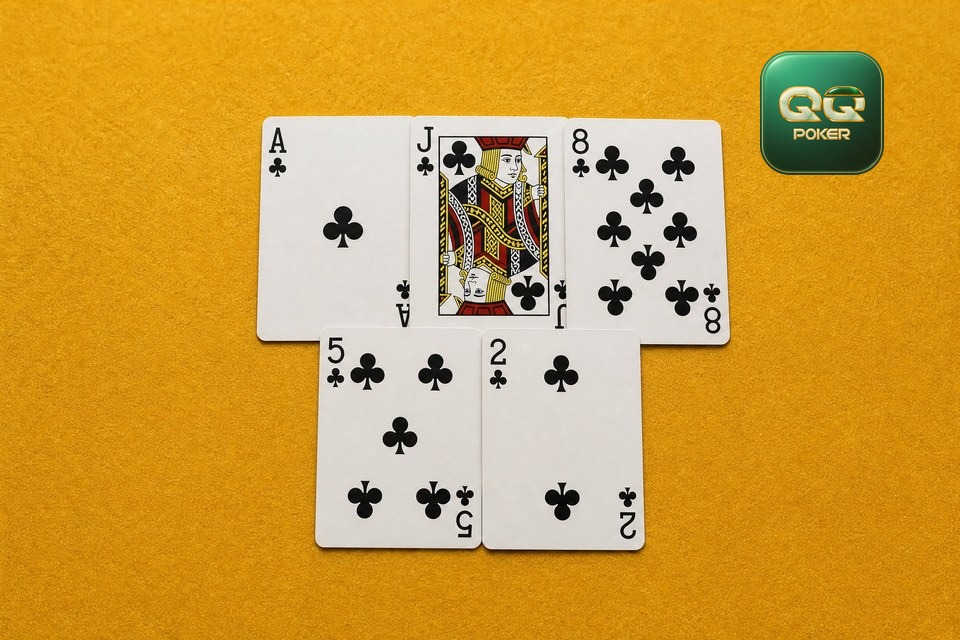
Card Gameqq poker官网 Texas Hold'em table layout

Two hole cards, five community cards, four rounds

One fifty-two card deck. Each player gets two cards face down, then five community cards come out in three stages. You make the best five-card hand out of the seven available. There are four rounds in which you can act, and if more than one player is still in after the last of them, the cards go face up and the highest hand takes the pot.

01Button and blinds. The dealer button moves one seat, the two players to its left post the small and big blind.
02Hole cards. Two cards face down to each player, then the first round of action begins left of the big blind.
03The flop. Three community cards come out together and the second round of action opens.
04The turn. A fourth community card, then the third round of action.
05The river. The fifth and last community card, followed by the final round of action.
06Showdown. Anyone still in turns their cards up, and the best five-card hand wins the pot.
Bet Ladder

Four notes worth carrying to any table

01Seat order is real information
  • Acting last means you have seen everyone else first
  • The same two cards are worth more on the button than under the gun
  • Six-handed widens what counts as an early seat
  • Folding from an early seat is arithmetic, not caution
02Made hands and draws are not the same job
  • A made hand can be caught, so it wants the pot bigger
  • A draw can be priced out, so it wants the pot cheaper
  • Keeping the two apart stops you playing them backwards
  • Mixing them up is where most leaks actually sit
03More players, higher bar
  • Top pair heads-up is not top pair against three
  • The fix is a higher showdown standard, not more aggression
  • A hand you would take three rounds heads-up, take two
  • Decide earlier when you are first to act
04Know which line you are on
  • Ask one question: do I want this called or not
  • If you want a call, size it to what they will actually call
  • If you do not, ask whether they hold anything they can let go
  • When they only hold hands that call, the line was never there
Event Board

Formats, side by side

Title Run
Tournament
  • EntryOne buy-in
  • BlindsStep up on a clock
  • Ends whenYour chips are gone
  • Best forPractising gear changes
First Step
Cash table
  • EntrySit down any time
  • BlindsFixed for the whole session
  • Ends whenYou choose to stand up
  • Best forRepeating one spot cleanly
Squad Note
Friend room
  • EntryBy invitation to the table
  • BlindsWhatever the host sets
  • Ends whenThe agreed clock runs out
  • Best forLearning a format with questions allowed
Ask Box

Questions answered

Which of the three formats should a new player start on?+

Cash tables. Blinds stay fixed and you can stand up at any point, so one badly played hand does not change the position you are in for the next one. Tournaments compress the pressure — blinds climb and the session ends when your chips do — which is hard going before you have a settled range. Friend rooms are the gentlest, because the pace is slow and questions are welcome.

What is worth reading in the session stats?+

Two numbers carry most of the signal, and both are worth reading as a trend rather than a daily figure:
  1. How often you enter a pot — high means your opening range is loose
  2. The same number when it is low — you are passing up cheap late-seat hands
  3. How often you win at showdown — low usually means you carried hands too far
  4. How those two move together over a month, not over one evening
  5. Anything that only shows up on a single day, which is mostly the deal

How should hand replays be used?+

Step back through the hands you called on rather than the ones you won. Re-work the pot odds as they stood at the time and the round where the money actually went wrong is usually obvious. In a friend room the better version is to open the same hand with everyone at the table and have each person say what they were reading — that gets you information a solo review never will.

Does Texas Hold'em change between formats?+

The rules do not change at all: two hole cards, five community cards, four rounds of action, best five of seven. What changes is how long you can wait, whether the blinds are coming after you, and what it costs to leave. Those three things decide how wide you can afford to play, which is why the same hand is a call in one format and a fold in another.

What does a competition format actually specify?+

Four things, and they are worth checking before you enter rather than after: how you get in, whether the blinds move, what ends the session, and therefore what the format is good for practising. The side-by-side table above lists all four for each of the three. Most of the surprise people feel in their first tournament comes from only having checked the first one.
Shelf Log

Notes from the tables

Entry Path

Pick the format first, then sit down

The rule set is the same in all three rooms. What differs is the pace and what leaving costs you — read those two off the format table, and the rest is just the hand in front of you.

Weekly Perks